Climate
Change
From the unique vantage point of space, we collect critical long-term observations of our changing planet to safeguard tomorrow.
View ADViK InterventionsAtmospheric Carbon Dioxide (CO₂)
Global Temp Anomaly
+1.2400 °C
Sea Level Change
+103.40 mm
ADViK Sustainable Solutions
Regional Operations:
Maharashtra, India
ADViK Sustainable Solutions is actively working for global climate change mitigation through diverse technological interventions, developing circular systems engineered to capture atmospheric carbon and safely settle it back into the soil.
Mitigating Stubble Burning
Deploying localized alternatives to target and drastically lower open agricultural stubble burning across critical cash crops including Cotton and prosopis juliflora.
Agricultural Waste to Biochar
Utilizing specialized pyrolytic conversion methods to process raw agricultural residues directly into high-stability Biochar, locking carbon permanently away in agricultural soils.
ADViK Sustainable Solutions:
Decentralized Climate Infrastructure.
ADViK Sustainable Solutions is an implementation-focused sustainability and climate-tech enterprise operating at the intersection of regenerative agriculture, mechanized carbon sequestration, biomass supply-chain logistics, and rural entrepreneurship. Built as a field-first delivery asset, we engineer and manage decentralized rural infrastructure systems to intercept unmanaged residues, process them through high-integrity carbonization protocols, and return stabilized carbon back to the soil matrix—mitigating open field burning while permanently upgrading smallholder farmer livelihoods.
Regional Feedstock Profile Matrix
Cotton Plant Biomass (Gossypium hirsutum)
Aggregated post-harvest woody crop residues sourced directly across Maharashtra's cotton belts. Processing this biomass blocks traditional open field-burning clearing cycles, mitigating heavy air pollution and transforming coarse agricultural liabilities into stable carbon values.
Juliflora Biomass (Prosopis juliflora)
Harvesting problematic, aggressively spreading woody invasive species from regional pastures and public land tracks. This directly stops the displacement of native flora and deep groundwater table depletion, effectively converting an environmental threat into a high-density clean carbon source.
Kon-Tiki Flame Curtain Pyrolysis Technology
Our decentralized rural infrastructure units leverage advanced Kon-Tiki kiln systems utilizing low-cost, low-emission flame curtain pyrolysis tracks to carbonize woody cotton stalks and chopped juliflora biomass safely.
01 / The Combustion Layer
Fresh biomass feedstock is fed top-down, continuously igniting to form a sealed, solid sheet of fire across the open pit apex.
02 / The Oxygen Barrier
The upper flame curtain completely consumes descending ambient air, sustaining a strict, low-oxygen pyrolysis zone directly underneath ($600°C - 750°C$).
03 / Syngas Destruction
Volatile gases rising from the core pass through the flame front, cleanly burning via toroidal convection loops to prevent harmful methane emissions.
04 / Biochar Accumulation
Undisturbed by oxygen, high-purity carbonized structures accumulate safely at the bottom base of the kiln, ready for structural stabilization.
Standard Operating Framework (SOP Execution Model)
Our strict 8-step closed-loop lifecycle protocol ensures system transparency, consistency, and carbon accounting verification.
Village Identification
Screening high-potential regional pockets based on dense cotton farming data or invasive juliflora infestation spreads.
Farmer Engagement
Building grassroots trust through direct awareness orientations, establishing long-term residue supply agreements.
Biomass Processing Hubs
Collecting, bundling, and transporting cotton plant stalks and cleared juliflora timbers to centralized neighborhood storage units.
Verification Protocols
Enforcing technical field checks measuring internal raw biomass moisture parameters, sizing ratios, and removing inert impurities.
Biochar Production
Pyrolyzing the verified feedstock profiles inside standardized Kon-Tiki systems governed by strict clean burning control SOPs.
Digital Documentation
Logging electronic asset ledgers detailing raw input weights, operational batch parameters, and matching individual farmer receipts.
Soil Field Application
Direct support loops handling direct biochar application back into agricultural soils to trigger matrix upgrades.
Monitoring & Reporting
Compiling continuous, geo-tagged field verification logs mapping local yield indicators and transparent carbon reduction balances.
Validated Field Milestones & 2026 Strategic Scalability
ADViK maintains a robust, validated footprint across targeted rural zones in Maharashtra (Nanded, Jalna, Parbhani), actively scaling infrastructure channels toward critical expansion zones (Akola, Amravati, Yavatmal, Wardha, Sambhajinagar).
Value Proposition: Agronomic Upgrades & Carbon Accounting
Transforming agricultural liabilities and ecological threats into scalable, carbon-negative socioeconomic assets.
✦ SOC Matrix Fixation
Loops stable, highly recalcitrant bio-structured carbon compounds back into damaged soils, securely upgrading long-term **Soil Organic Carbon (SOC)** baseline percentages across regional farming belts.
✦ Moisture Sponge Retention
Dramatically scales up the natural water retention profiles of recipient smallholder farm lands, building crop safety nets against erratic monsoon gaps and reducing groundwater drawing needs.
✦ Fertilizer Optimization & CEC
Maximizes overall input efficiency by scaling up the soil's native **Cation Exchange Capacity (CEC)**, securely anchoring core plant nutrients within root zones and suppressing synthetic chemical runoff.
✦ Traceable ESG Accounting
Furnishes high-transparency verification pathways mapped to strict digital ledgers and geo-tagged operational registers, providing global enterprises with verifiable data blocks for ESG and net-zero targets.
Empowering Maharashtra's Farmers,
Enriching Global Soil Networks.
ADViK Sustainable Solutions works directly at the grassroots level across Maharashtra. By systematic aggregation and processing of localized agricultural residues, we mitigate destructive burning practices while upgrading soil organic carbon structures.
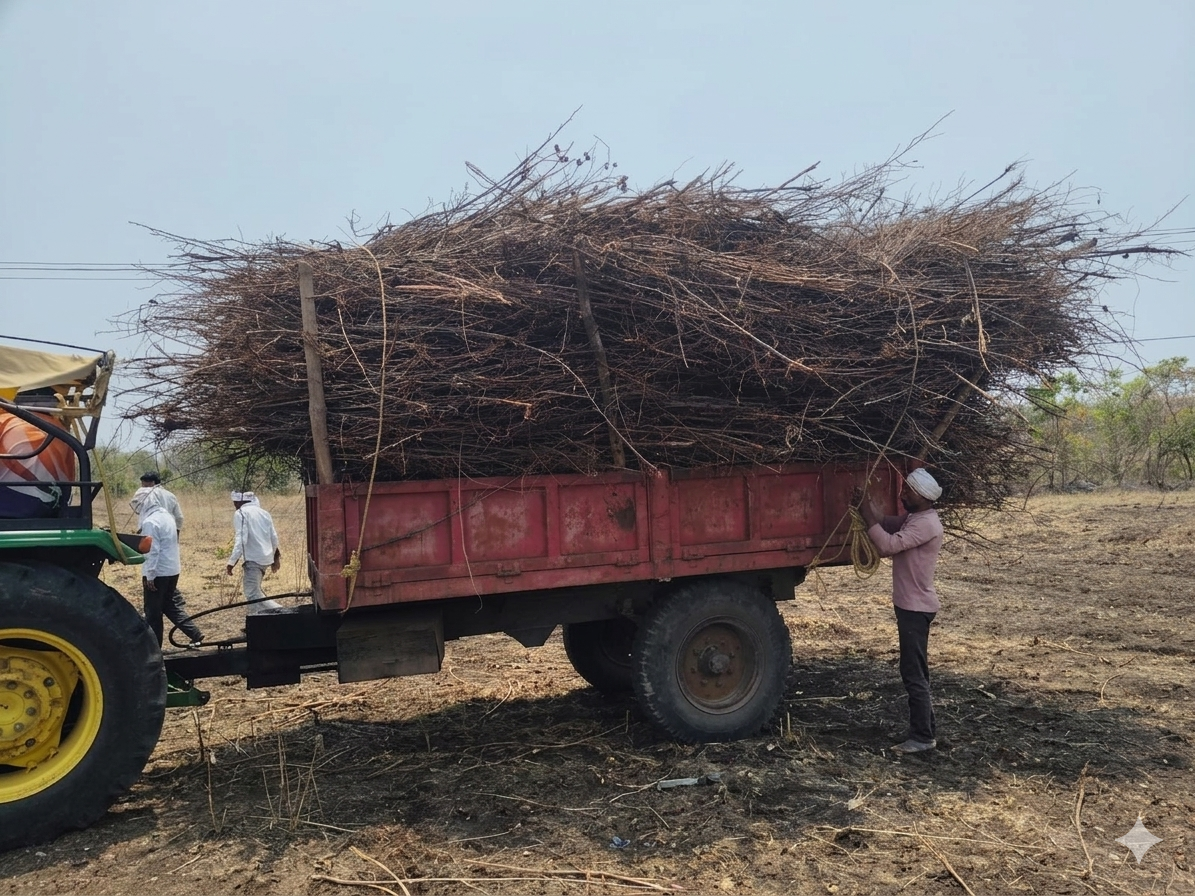
Crop Residues
Aggregating tough, post-harvest woody biopolymers including Cotton plant waste and coarse prosopis juliflora plant waste that traditionally force field-burning clearing cycles.
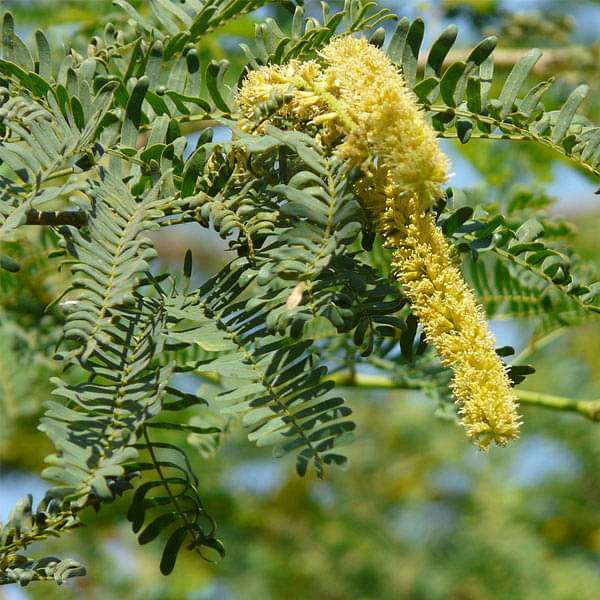
Invasive Control
Harvesting problematic, aggressively spreading woody invasive species like Prosopis juliflora from regional pastures, converting biological threats into productive carbon sources.
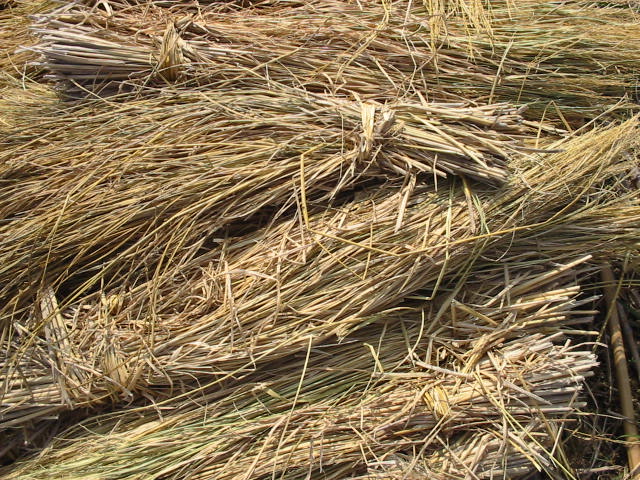
Cereal Byproducts
Diverting massive quantities of volatile Paddy straw away from open atmospheric combustion and formatting it safely into decentralized clean carbon loops.
Systemic Program Benefits
✦ Soil Carbon Fixation
Directly loops stabilized, recalcitrant carbon structures into degraded soils, significantly scaling up the **Soil Organic Carbon (SOC)** matrix baseline percentages over extended horizons.
✦ Moisture Retention
Dramatically increases the natural water holding capacity of farm soils, boosting moisture profile resiliency during dry periods and lowering overall groundwater reliance.
✦ Secondary Income
Transforms low-value farm liabilities into economic raw materials, adding an auxiliary, direct decentralized revenue stream for rural smallholder agricultural communities.
✦ Fertilizer Optimization
Optimizes input efficiency by expanding the soil's natural **Cation Exchange Capacity (CEC)**, allowing fields to lock in nutrients better and reducing synthetic fertilizer runoff.
ADViK Operations Gallery
Verifiable proof of grassroots biomass aggregation, pyrolytic carbon extraction tracks, and soil restoration deployment cycles across Maharashtra.
.jpeg)
Kiln Setup
A Kon-Tiki flame curtain pyrolysis kiln configured for feedstock processing.
.jpeg)
Processed Biochar Bed
High-purity carbonized structures cooling immediately post-combustion.
.jpeg)
Quality Control Inspection
Hand-testing porous carbon flakes to verify conversion structural integrity.
.jpeg)
Flame Curtain Ignition
Woody residue burning cleanly inside the kiln under restricted oxygen flow.
.jpeg)
Feedstock Loading
Preparing agricultural biopolymers inside the cone before the burn track.
.jpeg)
Quenching & Aggregation
Water-quenched, stabilized pure biochar structures awaiting refinement.
.jpeg)
Refined Carbon Substrate
Finely processed black biochar mix optimized for agronomic application.
.jpeg)
Soil Matrix Integration
Farmers deploying and evaluating upgraded, carbon-rich cropland soils.